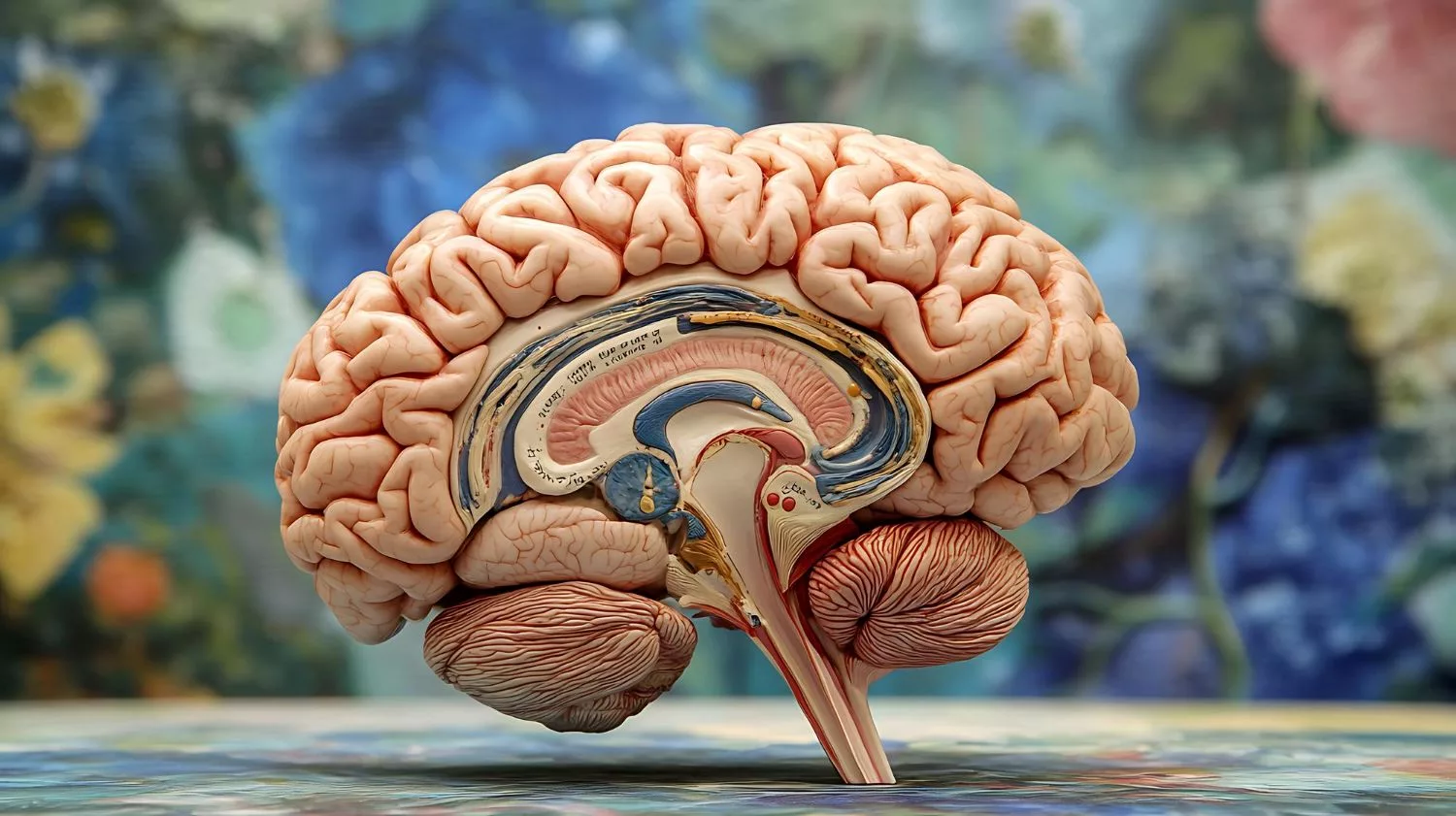
Stanford reveals brain arose from two distinct progenitors
Brain evolves as two separate organs, Stanford study finds
Stanford Medicine researchers discovered the human brain develops from two independent progenitor cells that evolved separately over hundreds of millions of years, not from a single universal source. Using mouse embryos and human stem cells, scientists found the forebrain and midbrain arise from cells marked by Otx2 gene, while hindbrain develops from Gbx2-marked cells on a parallel track. This breakthrough explains laboratory difficulties growing hindbrain neurons and may advance treatments for SMA and ALS.
Evolution seems to have fused two ancient neural systems into one organ, a brain built from two separate pieces.Read the full story in News Majlis › View at Tech Explorist ›